How Weather and Temperature Changes Affect Concrete
To address how weather and temperature changes affect concrete, local contractors can assess damage and provide repairs to ensure durability and safety.
Understanding how weather and temperature changes affect concrete is essential for property owners looking to maintain the integrity and safety of their structures. Fluctuations in temperature can cause concrete to expand and contract, which over time may lead to cracks, spalling, or other forms of deterioration. These issues can compromise the stability of driveways, patios, walkways, and other concrete surfaces, making it important to stay informed about how seasonal shifts impact your property’s foundation.
For those in the area managing concrete surfaces, knowing how weather patterns influence concrete health highlights the value of professional repair and maintenance services. Local contractors experienced in addressing weather-related damage can help assess existing issues and recommend appropriate solutions to prevent further deterioration. Exploring this topic can provide practical insights into protecting investments and ensuring concrete remains durable despite changing weather conditions.
- Cracked Concrete Repair - when temperature fluctuations cause concrete to expand and contract, leading to cracks that require professional sealing and reinforcement by local contractors.
- Surface Scaling Restoration - in areas experiencing freeze-thaw cycles, local service providers can address surface scaling caused by water infiltration and repeated freezing.
- Concrete Resurfacing - weather-related wear can deteriorate the surface, and local pros can apply protective overlays to restore smoothness and durability.
- Foundation Crack Repair - shifting ground and temperature shifts can cause foundation cracks, with local contractors skilled in stabilizing and repairing affected structures.
- Joint Sealing Services - temperature changes often lead to joint expansion and contraction, and local service providers can properly seal joints to prevent further damage.
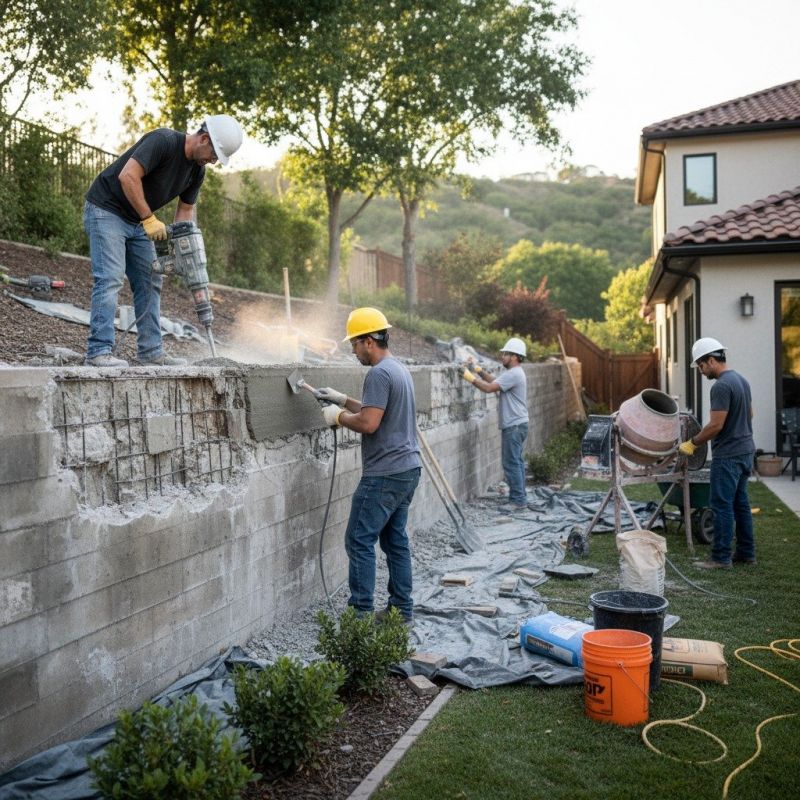
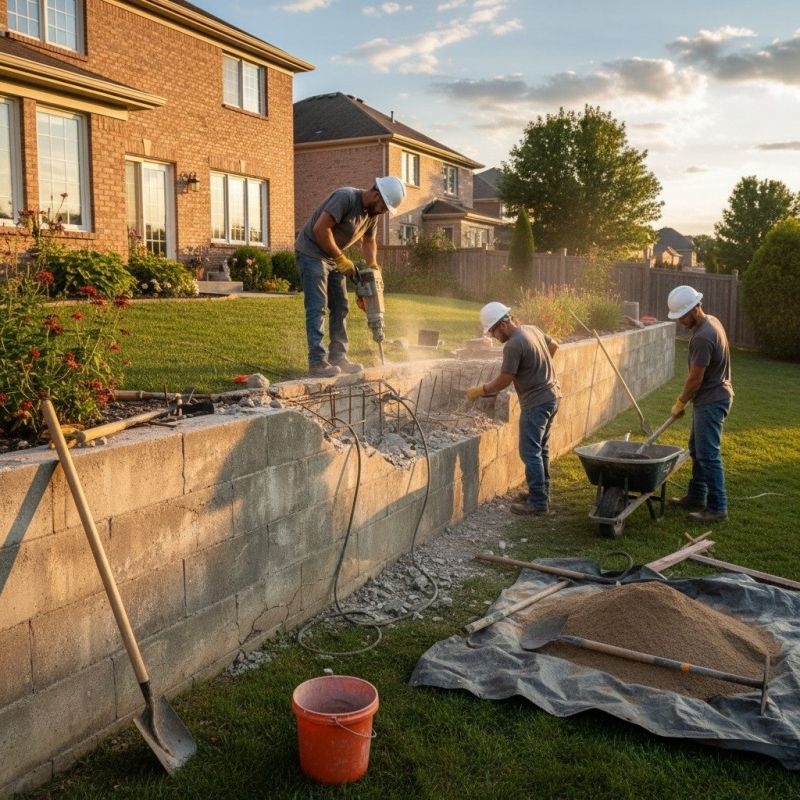
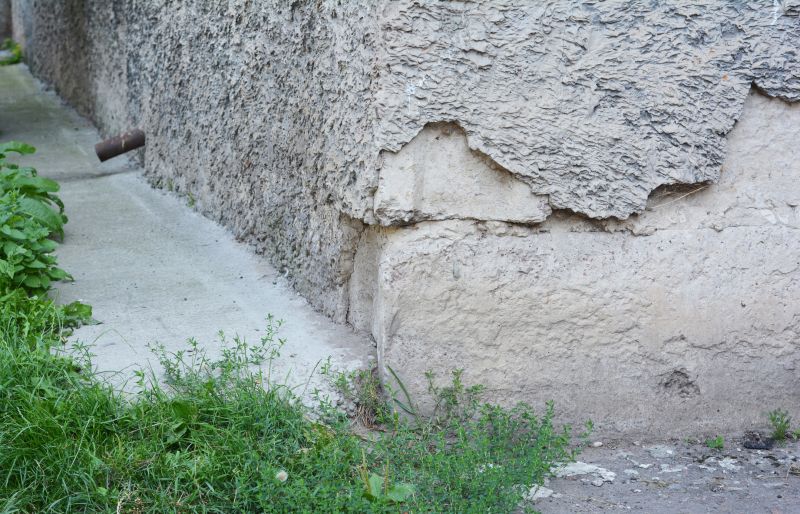
Understanding how weather and temperature changes affect concrete is a common concern for homeowners planning repairs or new installations. When people search for this topic, they often want to learn how seasonal shifts, temperature fluctuations, and extreme weather events can impact the durability and appearance of concrete surfaces. This knowledge helps them anticipate potential issues, such as cracking, spalling, or uneven settling, and informs decisions about repair or replacement. Homeowners may also be exploring how to protect their concrete during different times of the year or seeking advice on the best timing for construction projects to minimize weather-related problems.
The effects of weather and temperature on concrete are closely linked to a variety of project plans and problems. For those undertaking driveway repairs, patio installations, or foundation work, understanding these factors can determine the longevity and performance of the finished surface. Temperature swings can cause concrete to expand and contract, leading to cracks or structural weakening over time. Additionally, freeze-thaw cycles can cause existing cracks to worsen as water penetrates the surface, freezes, and expands. Homeowners often want to prevent these issues through proper planning, such as choosing appropriate materials or scheduling work during favorable weather conditions, and rely on local contractors to implement solutions that address these concerns.
Certain properties of concrete are more susceptible to weather and temperature influences. For example, concrete with improper mix ratios or insufficient curing can be more prone to cracking and deterioration. Porous surfaces tend to absorb water more easily, making them vulnerable to freeze-thaw damage. Conversely, well-designed and properly cured concrete can better withstand temperature variations and moisture exposure. When searching for information on this topic, homeowners often look for how these properties relate to their specific projects or existing concrete surfaces. They may also seek guidance on selecting the right type of concrete or protective coatings to enhance durability under local weather conditions.
Local contractors who specialize in concrete repair and installation play a key role in addressing the challenges posed by weather and temperature changes. These service providers understand how seasonal and climate factors influence concrete performance in the area and can recommend appropriate solutions. Whether it’s applying sealants, installing expansion joints, or choosing weather-resistant mixes, local pros help homeowners mitigate potential damage caused by temperature fluctuations. Connecting with experienced service providers ensures that concrete projects are completed with considerations for local weather patterns, leading to longer-lasting results and fewer issues down the line.
Pavement Restoration Projects - local contractors specializing in pavement repair understand how temperature fluctuations impact concrete durability and can address cracks caused by weather changes.
Foundation Repair Services - experts in foundation stabilization are familiar with the effects of freeze-thaw cycles and can recommend solutions to prevent settlement or shifting related to weather conditions.
Driveway Resurfacing Projects - local service providers experienced in driveway work know how temperature variations can cause surface deterioration and can perform repairs to extend lifespan.
Sidewalk Repair Projects - contractors skilled in sidewalk restoration can manage cracks and uneven surfaces resulting from concrete expansion and contraction due to weather changes.
Concrete Sealing Services - local pros offering sealing services understand how weather influences concrete porosity and can help protect surfaces from moisture and temperature-related damage.
Structural Concrete Reinforcement - specialists in structural concrete can assess and strengthen elements compromised by weather-induced stress and temperature shifts.
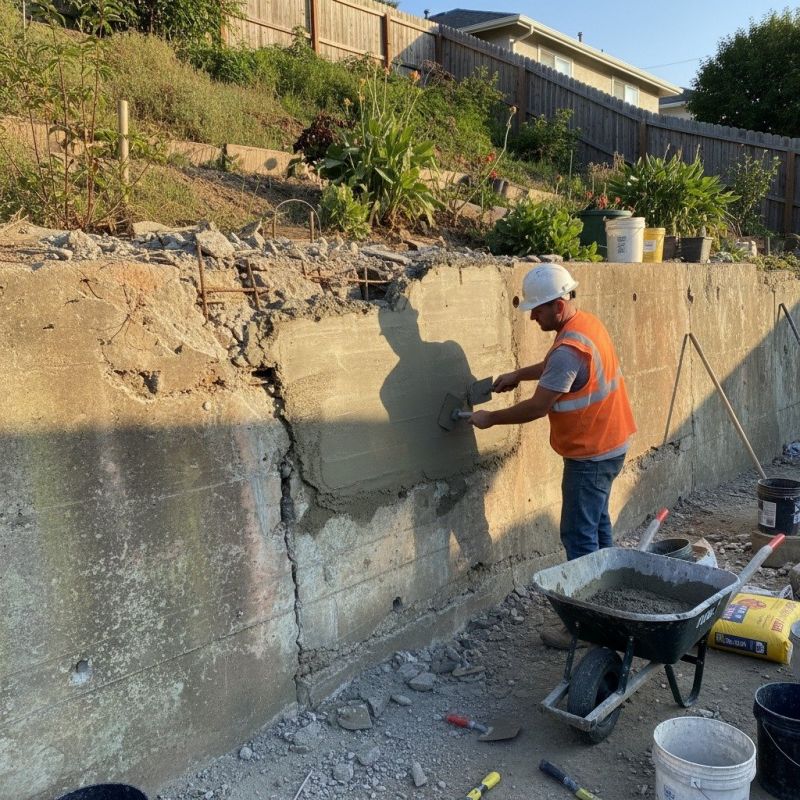
When evaluating concrete repair services related to how weather and temperature changes affect concrete, it’s important to consider the experience of local contractors with similar projects. Homeowners should seek out service providers who have a track record of addressing issues caused by temperature fluctuations, such as cracking, spalling, or shifting concrete. Contractors familiar with these specific challenges are more likely to understand the best repair techniques and materials suited for your climate, helping to ensure long-lasting results.
Clear written expectations are essential when comparing local pros for concrete repair. Homeowners should look for providers who can outline the scope of work, the types of repairs recommended, and the materials that will be used to address weather-related damage. Detailed estimates and explanations of the process help set realistic expectations and ensure there are no surprises once work begins. This clarity can also facilitate better communication and a smoother project experience.
Reputable references and good communication are key factors in choosing the right service provider. Homeowners are encouraged to ask for references or reviews from previous clients who faced similar weather-related issues. Reliable contractors should be willing to share examples of past projects and answer questions about how they handle weather-related challenges. Additionally, open and responsive communication throughout the process helps ensure that concerns are addressed promptly and that the homeowner remains informed about progress and any adjustments needed to the repair plan.
Property owners often search for how weather and temperature changes affect concrete when they are planning practical projects around their homes and businesses. Local pros provide Concrete Repair services for everyday jobs and straightforward project options.
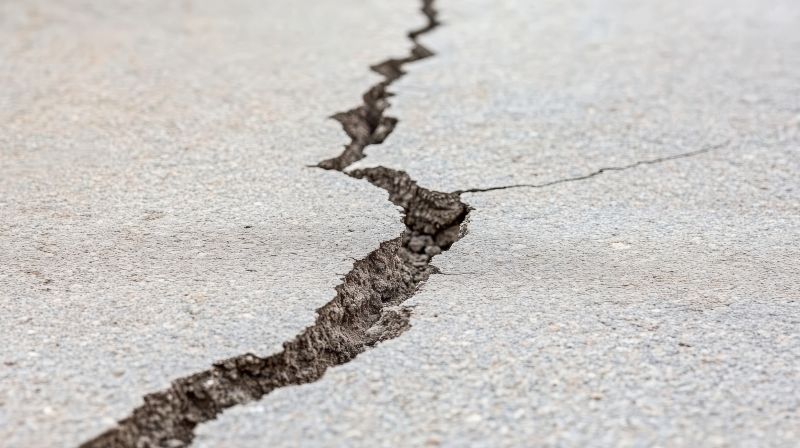
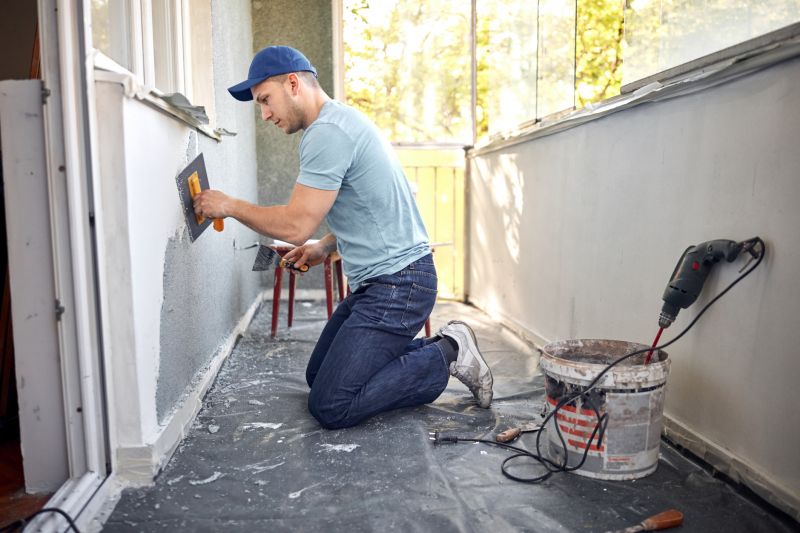
Weather and temperature changes can significantly impact concrete structures around homes and properties. Fluctuations in temperature, especially when they swing between hot and cold, can cause concrete to expand and contract. Over time, this movement may lead to cracks, surface deterioration, or uneven settling, which can compromise the integrity of driveways, patios, and foundations. Property owners often look into concrete repair services when they notice these signs, seeking local contractors who can assess the damage and perform necessary fixes to maintain safety and appearance.
In addition, exposure to extreme weather conditions such as freezing temperatures or heavy rainfall can accelerate the wear and tear on concrete surfaces. Freezing water within tiny cracks can expand and worsen the damage, making repairs more urgent. For property owners facing these issues, connecting with experienced local service providers can help address weather-related concrete problems effectively. These professionals can recommend appropriate repair solutions to restore the durability and stability of affected concrete surfaces, ensuring they withstand future weather changes.
How do temperature changes impact concrete durability? Fluctuations in temperature can cause concrete to expand and contract, leading to cracks and structural weaknesses that may require repair by local contractors.
Can weather conditions cause concrete to crack or deteriorate? Yes, extreme weather conditions like freezing temperatures or heavy rainfall can lead to cracking, spalling, and other damage, which local pros can assess and repair.
How does temperature variation affect the longevity of concrete surfaces? Significant temperature changes can accelerate wear and deterioration over time, making maintenance and repair services from local contractors important for preserving concrete.
What role does weather play in the formation of concrete surface issues? Weather influences concrete curing and can cause issues such as surface scaling, cracking, or uneven settling, which local service providers can help address.
How can local pros help repair damage caused by weather and temperature fluctuations? They can evaluate affected concrete, identify underlying issues, and perform repairs to restore stability and extend the lifespan of concrete structures.
Understanding temperature fluctuations can help property owners plan for cracks or surface damage, prompting them to seek repairs from local contractors.
Monitoring weather patterns allows for scheduling concrete repairs during optimal conditions, ensuring longer-lasting results with help from local pros.
Considering seasonal changes can guide property owners in choosing appropriate concrete mixes and protective measures with local service providers.
Recognizing how weather impacts curing helps in coordinating repair projects to avoid issues caused by extreme heat or cold, with assistance from local contractors.
If you are thinking about how weather and temperature changes affect concrete for a property, this guide is meant to help you understand this topic, the typical project types, and how different options might fit your plans.
When you are ready, you can use the quote form on this page to share a few details about your project. From there, local pros can review the basics and follow up with options that match what you have in mind.